
Transport for Wales trains, routes and tickets
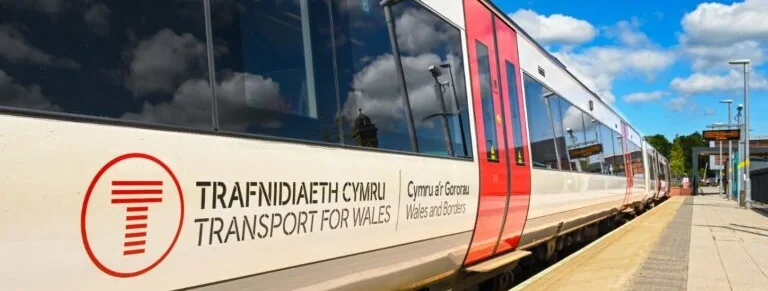
Transport for Wales, often shortened to TfW, operates passenger trains across Wales and the border counties, with services reaching English cities including Manchester and Birmingham. Its railway includes coastal, rural and regional routes as well as the South Wales Valley Lines. Other operators also serve Wales, so the operator shown in the itinerary still matters.
Reviewed 6 November 2026.
About the operator
Transport for Wales is the current passenger brand to use for these rail services. Arriva Trains Wales was a previous operation. Current journeys use TfW’s route information, timetables and accessible-travel arrangements, even when an older travel page still carries that earlier name.
TfW’s published network information includes both rail and connecting transport. Check the map’s transport symbol: some connections are buses. A line between two places does not establish that every journey is direct or covered by a single ticket.
Routes and principal stations
North Wales and the Borders
The railway serves the North Wales coast through Chester towards Holyhead and links Welsh and English border towns through routes such as the Marches corridor. Confirm which station and connection best suit the destination.
Cambrian and west Wales routes
TfW reaches the Cambrian coast and destinations across west Wales. Branches serve different coastal towns, and ferry connections have their own check-in requirements. Check the exact train and any division or interchange before boarding.
Cardiff and the South Wales valleys
The Valley Lines connect Cardiff with communities including Pontypridd, Merthyr Tydfil, Aberdare, Treherbert and Rhymney. Cardiff Central and Cardiff Queen Street serve different interchange needs, and the required branch determines the appropriate train.
Planning your journey
Retain useful station qualifiers in a search. Bangor (Gwynedd) is distinct from Bangor (Northern Ireland), and Newport (South Wales) is different from stations with the same place name elsewhere. The precise station also helps avoid unsuitable walking or bus transfers.
For a rural or coastal visit, check the last practical return and the final bus, ferry or taxi connection before travelling. A scenic route may be part of a longer itinerary with relatively few useful onward options later in the day.
If a train divides, follow the platform displays and announcements about the correct portion. This is particularly relevant when the published itinerary serves different branches from a shared trunk route.
Check current engineering information and the facilities of the selected train. TfW’s fleet and network improvements mean that older descriptions may no longer match the service used, while temporary works can alter boarding and interchange arrangements.
Tickets and journey choices
Use the ticket’s route, operator and time conditions when comparing TfW with GWR, Avanti or CrossCountry on an overlapping journey. Rail-and-ferry, rover and other combined products have defined coverage; do not assume an ordinary rail ticket includes every connecting bus or sailing shown on a map.
Accessibility and assistance
TfW publishes train accessibility details and offers Passenger Assist, including support requested in advance or on the day. Check the actual station platform, train type and any onward connection. Explain mobility equipment or boarding needs when planning support, especially where a rural station, replacement bus or ferry forms part of the journey.
Sources and further information
Use the current operator's information to check the latest timetable, disruption and assistance arrangements for your travel date.