
Hull Trains trains, routes and tickets
Hull Trains provides intercity services linking East Yorkshire with London King’s Cross. Its route serves Hull and selected journeys extend to Beverley, with intermediate stations along the way. It is an open-access operator, giving travellers a distinct option for the Hull–London corridor within the wider National Rail system.
Reviewed 6 November 2026.
About the operator
The Hull Trains identity is closely associated with direct rail travel between East Yorkshire and the capital. Its current website describes an open-access service integrated with National Rail tickets, timetables and stations, rather than a separate railway outside the national passenger network.
Hull Trains remains a current company in National Rail’s directory. Hull Trains is a specific operator, while Northern, TransPennine Express and other connecting operators also provide journeys to Hull. Check the company shown for each leg of an itinerary.
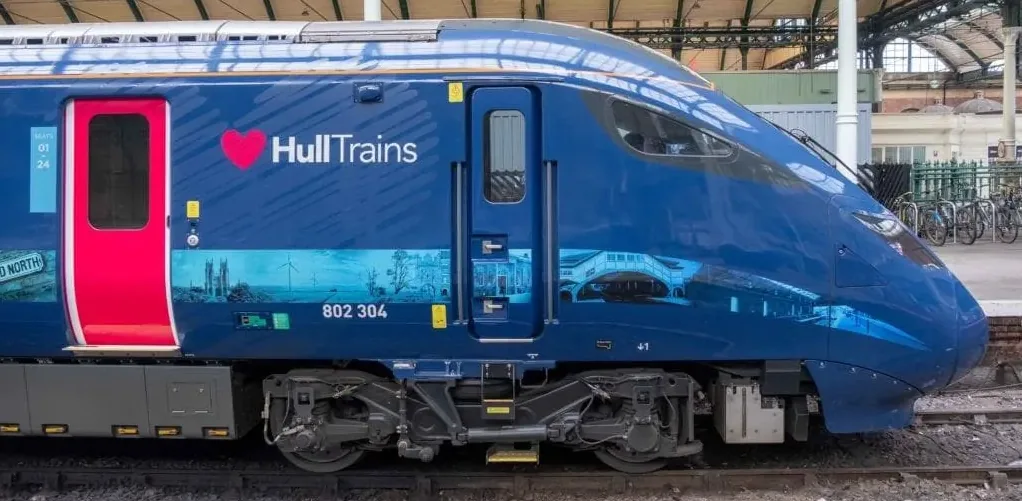
Routes and principal stations
Hull and Beverley
The East Yorkshire end of the route includes Hull, Cottingham and Beverley. Check whether the selected train starts or finishes at Hull or continues farther; the existence of a station on the route map does not mean every departure serves it.
Humber and East Coast connections
Intermediate stations provide access from the Humber area and connections with other rail services. Doncaster is a useful interchange, while the precise calls at stations such as Selby, Howden, Retford and Grantham should be checked against the train chosen.
London King’s Cross
The London end of the service is King’s Cross. The Underground and nearby St Pancras provide onward travel, but changing to Eurostar involves a separate international departure process and should be given substantially more time than an ordinary platform change.
Planning your journey
For travel from the wider East Riding, compare the complete journey from the local station. A feeder train into Hull or Doncaster may be required, and a ticket shown for Hull Trains may have a specific route or connection attached.
Check outward and return departure choices together. A through train is convenient, but the most suitable return time may involve a change or a different operator. Confirm that the ticket purchased permits the itinerary actually intended.
Review seat reservation, luggage and bicycle arrangements before travel. The operator’s station information can help identify entrances, parking and facilities at smaller intermediate stops, where the experience differs from a large staffed terminal.
For an airport, ferry or international rail connection after reaching London, allow time for the cross-London transfer and the next operator’s check-in requirements. Keep those requirements separate from the rail journey time.
Tickets and journey choices
Read the conditions of any Hull Trains-only fare and compare flexibility as well as price. Open-access status does not remove ticket restrictions, and another operator’s train on the same main line may require a different ticket. During disruption, follow published acceptance advice rather than assuming unrestricted use of all services.
Accessibility and assistance
Hull Trains offers Passenger Assist and publishes station and onboard accessibility information. Explain the whole itinerary when requesting help, including any connecting train managed by another company. Confirm wheelchair accommodation and boarding arrangements separately from ordinary seat reservations, and check the alternative arrangements if engineering work requires road transport.
Sources and further information
Use the current operator's information to check the latest timetable, disruption and assistance arrangements for your travel date.